Saturday, 19 April 2025

Handout: Beginner Golf Swing Practice Sheet


Handout: Beginner Golf Swing Practice Sheet

Name: ____________________ Date: ____________________

Instructions: Complete the checklist each day and reflect on what felt good or needs improvement.

Drill/Focus Area

Complete (Tick)

Notes or Feelings During Practice

Setup & Stance Check


Grip Check


Backswing Basics


Downswing & Impact


Follow-Through Finish


Reflection: What part of your swing felt the best today? What still feels awkward?


Coach/Instructor Comments:                                                                                                                                                                             


https://www.youtube.com/watch?v=vW6i3IUTcq4

Poster - Build a Strong Golf Swing – Beginner Fundamentals


Why It Matters:
A smooth, repeatable golf swing starts with good habits. This guide walks you through the key elements of a solid swing so you can practice the right way from the beginning.


✅ 1. Setup & Stance Check

  • Feet shoulder-width apart, knees slightly flexed

  • Back straight, tilt from hips

  • Weight balanced on the balls of your feet

  • Clubface square to the target

  • Use a mirror or alignment stick to double-check

✅ 2. Grip Check

  • Use the grip that feels most natural and in control

  • Overlap, interlock, or 10-finger – as long as both palms face each other

  • Club sits in fingers, not deep in the palm

✅ 3. Backswing Basics

  • Smooth takeaway – don’t rush

  • Rotate your shoulders; keep lead arm straight

  • Eyes on the ball, but allow a natural head turn

✅ 4. Downswing & Impact

  • Lead with the hips, let the arms follow

  • Keep wrists cocked until just before impact

  • Focus on swinging through the ball, not just at it

✅ 5. Follow-Through Finish

  • Full rotation, chest facing target

  • Weight on front foot

  • Club should finish over your lead shoulder


Daily Tip:
Film your swing or practice in front of a mirror. Small corrections = big improvements.

Golf Swing – Build a Strong Foundation

 If you’re new to golf, getting your swing right is one of the most important things you can do. It’s the heart of the game – and learning good technique early will make golf way more enjoyable and help you improve faster. In this post, I’ll walk you through key golf swing basics and beginner tips to help set you up for success from day one.


Start with the Fundamentals

Before we get into swing mechanics, you need to understand the building blocks: grip, stance, backswing, downswing, and follow-through. These elements work together to create a solid, repeatable swing.


Grip and Stance – Your Foundation

Your grip connects you to the club – and there’s no one-size-fits-all. Here are the three most common grips:

  • Overlapping Grip: Pinky of your bottom hand overlaps the top hand’s index finger – a favourite among pros.

  • Interlocking Grip: The pinky and index finger link together. Great for players with smaller hands.

  • Baseball (10-Finger) Grip: All fingers on the club, like holding a bat. A good option for beginners or players with less grip strength.

Try each and stick with what feels most natural while giving you control.

Stance Checklist:

  • Feet shoulder-width apart

  • Knees softly bent

  • Weight balanced – slight pressure on the balls of your feet

  • Tilt from the hips, not the waist

  • Keep your spine straight – no slouching

This balanced posture is the base for a smooth, athletic swing.


Swing Mechanics – Keep It Simple

Backswing

  • Start slow and stay in control.

  • Rotate your shoulders, don’t just lift your arms.

  • Keep your lead arm (left for right-handers) straight.

  • Keep your eyes on the ball – but don’t lock your head in place too rigidly.

Downswing

  • Start the motion with your hips turning toward the target.

  • Let your arms follow naturally.

  • Keep the wrists cocked until just before impact – this “lag” creates speed and power.

  • Swing through the ball, not just at it.

Follow-Through

Don’t stop at contact – a full, balanced follow-through matters.

  • Finish with your weight on your front foot.

  • Chest should face the target.

  • Club should finish over your shoulder.


Debunking a Common Myth:

“Keep your head down.”
You’ve probably heard this – but in reality, trying to keep your head locked can limit rotation and hurt your swing. A natural turn of the head and body toward the target in the follow-through is key to generating power and clean contact.


Common Beginner Mistakes (and Fixes)

1. Over-Swinging
Trying to hit too hard usually leads to a loss of balance and control. Instead, focus on smooth tempo and solid contact.

2. Bad Alignment
Even a great swing won’t work if you’re aiming in the wrong direction. Use alignment sticks or a spare club on the ground to check your feet, hips, and shoulders are square to the target.


How to Build a Consistent Swing

  • Practice regularly – a few minutes each day beats one big session a week.

  • Work on your grip and setup every time – even without a ball.

  • Film your swing or check it in a mirror.

  • Start small – focus on chipping and short shots to build control before jumping into full swings.


Starting with good habits will pay off big time. Stick with the basics, stay patient, and enjoy the process. Golf’s a game you can play for life – and it all starts with that first swing.

Train for a neutral golf grip


🏌️‍♂️ Drills to Develop a Neutral Golf Grip

A neutral grip allows for better control of the clubface, promotes straight ball flight, and makes it easier to develop a repeatable swing. If you’ve been fighting a slice, hook, or general inconsistency, these drills will help you find and feel a more natural grip.


1. "Let It Hang" Drill (Perfect for beginners)

Purpose: To find your hand’s natural resting position.

How to do it:

  1. Stand straight with your arms hanging naturally at your sides.

  2. Without twisting, look at how your lead hand (left for right-handed golfers) naturally rests—usually slightly turned in.

  3. Bring your hand up to the club exactly as it hangs, and grip the club.

  4. Do the same with the trail hand so that both palms face each other and the thumbs sit just right of centre on the grip.

Checkpoints:

  • You should see 2 knuckles on your lead hand.

  • The "V" between your thumb and index finger should point between your chin and trail shoulder.


2. Glove Logo Check

Purpose: Helps visually align your grip.

How to do it:

  1. Put on your golf glove.

  2. When you grip the club, the glove’s logo (usually on the back of your hand) should point toward your right ear or right shoulder (for right-handed golfers).

  3. If it points straight up or toward your chin, your grip might be too weak.

  4. If it points too far right, your grip may be too strong.

Bonus Tip: This drill works great when checking your grip in the mirror before practice.


3. Marker Line Drill

Purpose: Build hand awareness using a visual guide.

How to do it:

  1. With a permanent marker, draw a line on your glove from the base of your index finger to just above your wrist.

  2. When gripping the club, this line should run along the top of the grip, not underneath it.

  3. This ensures the club is held in your fingers, not deep in your palm—encouraging a neutral and functional grip.


4. Tee-in-the-V Drill

Purpose: Train the correct hand orientation using a tee.

How to do it:

  1. Grip the club normally.

  2. Place a tee in the “V” formed between your thumb and index finger on both hands.

  3. The tees should both point between your chin and trail shoulder.

  4. If they point left (weak) or too far right (strong), adjust your hand position.


5. Short Shot Practice

Purpose: Reinforce your neutral grip with feel-based learning.

How to do it:

  1. Take your neutral grip using the drills above.

  2. Hit short chip or pitch shots around 10–30 meters.

  3. Focus on solid contact and straight flight.

  4. Pay attention to how the grip feels. Don’t worry about distance—focus on rhythm and hand placement.

Repetition with short swings helps lock in that feel and builds confidence before transitioning to full swings.


Final Tip:

Do 10 reps of grip drills daily without a ball. Just grip, check, release, and repeat.
✅ Use video or a mirror to check your grip angles.


How To Build The "PERFECT" Golf Grip...Avoid These KILLER Mistakes!


Handout: Neutral Golf Grip Practice Sheet

Name: ____________________ Date: ____________________

Instructions: Use the checklist below to complete your daily neutral grip practice.

Drill NameComplete (Tick)Notes/Feelings During Practice
Let It Hang Drill
Glove Logo Check
Marker Line Drill
Tee-in-the-V Drill
Short Shot Practice

Reflection: What felt easiest today? What needs more work?


Coach/Instructor Comments:


Grip it right, hit it straight!

For more drills or one-on-one help, talk to your coach or instructor.

Understanding Golf Grips: Strong, Weak, and Neutral — And How to Find Yours

 Understanding Golf Grips: Strong, Weak, and Neutral — And How to Find Yours

In the game of golf, your grip is your only physical connection to the club. It might seem like a small detail, but the way you hold the club can dramatically impact the shape, direction, and consistency of your shots. Let’s break down the three main types of grips—strong, weak, and neutral—and then show you a simple drill to help develop a natural grip that works for your swing.


The Three Types of Golf Grips

1. Strong Grip


A strong grip doesn’t refer to how tightly you hold the club—it’s about the position of your hands, particularly the left (lead) hand for a right-handed golfer. In a strong grip:

  • You can see 3 or more knuckles on your lead hand.

  • The “V” formed by your thumb and index finger points toward your right shoulder.

  • Your right (trail) hand sits more underneath the club.

What it does:
A strong grip tends to help players close the clubface through impact, which can help eliminate a slice and promote a draw.

Best for:
Players who struggle with an open clubface and want to hit the ball from right to left.


2. Weak Grip

A weak grip is the opposite. In this grip:

  • You see 1 or no knuckles on your lead hand.

  • The “V” points toward your left shoulder.

  • Your trail hand rides more on top of the grip.

What it does:
This grip promotes a more open clubface and a higher ball flight. It can encourage a fade or help reduce a hook.

Best for:
Players who overdraw or hook the ball, or those who want a softer, left-to-right ball flight.


3. Neutral Grip


The neutral grip is often considered the most balanced and natural position. Here:

  • You see 2 knuckles on your lead hand.

  • The “V” points somewhere between your chin and right shoulder.

  • Both hands work together as a unit.

What it does:
A neutral grip gives you the most flexibility and control over the clubface. It allows you to shape shots both ways and is often ideal for beginners and advanced players alike.

Best for:
Players who want a balanced, consistent swing and full control over shot direction.


Drill to Develop a Natural (Neutral) Grip

Here's a simple drill to help you build a natural, neutral grip:

The "Let It Hang" Drill

  1. Stand tall and let your arms hang down naturally at your sides.

  2. Look at your lead hand (left hand for right-handed golfers). Notice how it naturally wants to rest slightly turned in. That’s close to your neutral position.

  3. Now, bring that hand up to the club and grip it without rotating your wrist.

  4. Add your trail hand so the palms are facing each other and your hands work together.

  5. Check that:

    • You can see 2 knuckles on your lead hand.

    • Both thumbs point down the shaft.

    • The “V” shapes between thumb and index finger on both hands point somewhere between your chin and trail shoulder.

Practice swings from this position and hit short shots to build muscle memory. It may feel unusual at first, especially if you’ve used a stronger or weaker grip, but with time it becomes second nature.


Final Thoughts

Your grip sets the foundation for your entire swing. Whether you’re a weekend warrior or a competitive player, understanding how your grip influences your ball flight is essential. Experimenting with different grip styles and using drills like the "Let It Hang" can help you find the grip that best suits your natural swing—and ultimately lowers your scores.


Need help identifying your grip or making adjustments? A quick session with a teaching pro or video analysis can make all the difference.

Happy golfing!

Tuesday, 8 April 2025

From Backyard Slicer to Brookwater Beginner: My First Golf Lesson ever


At the start of this year, life was full-on. We were finishing the build on our new home (which we’ve now finally moved into — thank god!), I was launching a brand-new Trade School and Formula High School program at work, and golf… well, that was a distant memory.


I’d come close to selling my clubs on Marketplace more times than I can count. They hadn’t seen daylight in 10–12 years. But something made me hang onto them. I dusted them off, found my old golf shoes (which either shrunk or my foot has grown), and decided it was time. The golf bug bit again.

New Shoes, New Start

First stop: Drummond Golf at Woolloongabba. I picked up a fresh pair of FootJoy shoes. Of course, this was during the weekend Tropical Cyclone Alfred drenched Brisbane — we copped nearly 300mm of rain. Classic timing.


With golf on the brain, I stopped in at the Brookwater Golf and Country Club pro shop — one of the best courses in Queensland and Australia. I chatted with the team about lessons and they recommended Duane Kirwan. “He’s got a great way of explaining things,” they said. “Just jump online and book in.”

Challenge accepted.

Boonah Warm-Up (and Wake-Up Call)

Once Boonah Golf Course dried out, I snuck in a cheeky 9 holes one Sunday. Felt great just to be out there, and I was happy-ish with how I hit the ball — but I’d lost about 40m off my drive. Then, two days later… boom. My back went. Two days off work. That was the sign I needed: time to invest in some lessons and build proper habits before old ones (and old injuries) took over.


I also wasn’t loving my grips, so I upgraded to jumbo Golf Pride grips from Drummond Golf, who fitted them for me as well. No more excuses. Time to book that lesson.

A Nerve-Wracking Drive to Brookwater

Booked in with Duane online — Boonah doesn’t offer lessons — and headed out to Brookwater. It’s about a 45–50 minute drive, and honestly, I was stressing the night before. Brookwater’s fancy. What was I doing rocking up there when I felt like I was hitting the ball like absolute crap?

But I cleaned up the clubs, told myself I couldn’t change anything now, and off I went.

Got there 45 minutes early and checked in at the pro shop. They handed me a voucher for a small bucket of range balls. Problem: I had no idea where the range was. “Sorry, mate, first time here — where’s the range?” The guy behind the counter kindly pointed just left. I wandered past Duane, who was wrangling a pallet of fresh stock, and made my way to the vending machine.


Another problem: I’d never used one before. I stuck the bucket under the chute and stared blankly. Someone else walked up and I admitted I had no clue. Luckily, they helped — you just enter your code on the screen. Crisis averted.

The range was packed, and I found a spare bay, did some chipping, then worked through the bucket. About 60% good hits, 40% questionable ones, and still no distance to speak of.

Then Duane rolled up.

Game On: Lesson with Duane Kirwan

We headed to a separate area of the range. Quick chat on the buggy ride — I mentioned it’d been over a decade since I played properly and that I used to play cricket. That’s when the red flags go up for golf coaches. Cricket usually means funky swings and grips. But I was clear: I’m here to learn. I’m open. Let’s build good habits before bad ones come back.


He filmed me first and showed me the footage. Without even saying anything, I spotted the issue — my left hand wasn’t behaving, especially at impact. My ball position was also way forward (hello cricket front foot habit).

He said, “We can work with what you’ve got and improve slowly, or we can rebuild and make bigger gains — though you might hate me after your next round.” I told him I was here to get better, not to stay comfortable.

Breaking Bad Habits

We started with the grip: moved my left hand so the thumb pointed down the shaft. Then we worked on the backswing — thumbs to the sky. Follow-through? Same thing — thumbs up, forearms touching.

He warned me I’d probably start slicing or push balls into someone’s backyard. But to my surprise and Duane, I hit it straight. Not only straight — I was getting distance. The draw started coming back too.

Next we shifted the ball position back a little, and that almost completely killed the slice.

Then came the driver. The club that’s been a nightmare lately. I persisted. Hit 20 shots — maybe 5 or 6 were genuinely good, but when they were good… they sounded right. Felt right. The distance was back.

Final Thoughts

Duane’s a legend. Loves a yarn, but every story has a lesson built in. He gave me clear stuff to work on, and honestly, I left excited. Not just to play — but to learn, to practice, and to come back for another lesson.


Will I return to the big scary Brookwater? 100% — not to play just yet, but definitely for another session with Duane in a month or so.

It’s bloody good being a teacher on holidays with the chance to swing a club, work on my game, and start fresh.

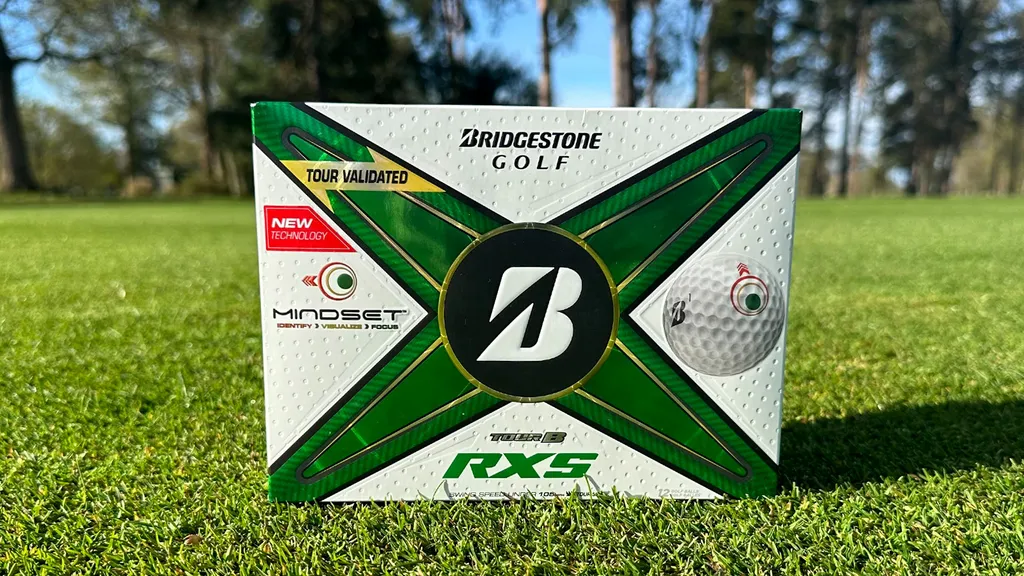
"Mind Over Muscle: Why the Bridgestone Tour B RXS Might Be Your Secret Weapon"


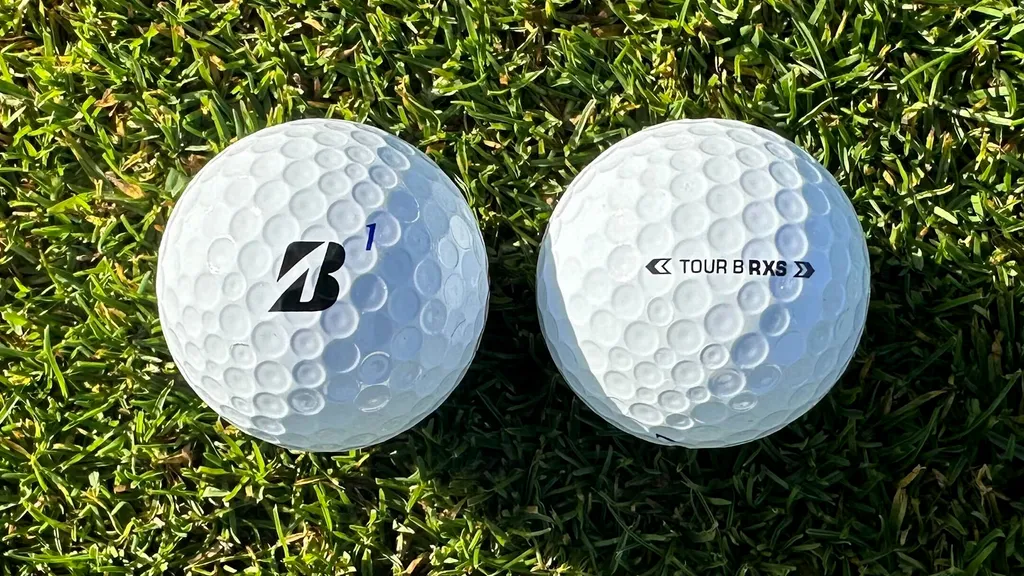
Bridgestone Tour B RXS Mind-set Golf Ball Review – A Hidden Gem for Moderate Swing Speeds


While Bridgestone may not dominate the golf ball market like some of the bigger names, one thing is certain—they never compromise on quality. The 2024 lineup sees four fresh additions to their Tour B range, catering to both high and moderate swing speeds. The Tour B X and XS are geared towards players with driver speeds over 105mph, while the RX and RXS, including the model I tested, are crafted for golfers with swing speeds under that mark who still want premium performance.

I took the Tour B RXS with MindSet out on the course to put it through its paces—testing a range of shots from various lies to see how it stacks up against the best in the market.

First Impressions: Clean Looks & Smart Design


One thing I’ve always appreciated about Bridgestone balls is their minimalist aesthetic, and the RXS is no exception. The classic “B” logo is subtle, refined, and gives the ball a premium feel without being overly busy.

But what really caught my eye is the MindSet visual aid, a clever addition designed to reinforce a consistent pre-shot routine—especially on the greens. Co-developed with Bridgestone ambassador Jason Day, one of the best putters in the game, the MindSet pattern encourages focus and consistency before each stroke. I found it genuinely helpful from inside 10 feet, allowing me to stick to my process and clear any negative thoughts before putting.


On the Course: Impressive Distance & Feel

From the tee, the Tour B RXS immediately impressed. Despite being tailored for slower swing speeds, it delivered solid distance and a satisfying launch thanks to Bridgestone’s new Reactiv X System. The Reactiv IQ Smart Cover technology helps the ball spring off the clubface with ease, producing a powerful, high-launching flight across the bag.

If you're looking for more carry off the tee, this ball delivers. However, with the higher spin profile, I did notice a slight drop-off in rollout on firmer fairways. Still, the trade-off is worth it for players seeking control and feel—particularly in the short game.

Final Thoughts

The Bridgestone Tour B RXS MindSet is a fantastic option for players with moderate swing speeds who want premium ball performance without needing to swing out of their shoes. With standout features like the Reactiv cover, exceptional short-game control, and the brilliant MindSet alignment tool, it’s a ball that offers both function and focus.

If you're someone who thrives on routine and could use a little help staying locked in over putts—or you're just chasing a soft-feeling, high-spinning ball that performs—this one is well worth a spot in your bag.

Reasons to buy

  • +

    Option of MindSet Technology

  • +

    Soft feel for short game control

  • +

    High ball flight for added carry


Handout: Beginner Golf Swing Practice Sheet

  Handout: Beginner Golf Swing Practice Sheet Name: ____________________ Date: ____________________ Instructions: Complete the checkl...